
A Dynamic Snapshot of Los Angeles’ Art Scene: Inside Wallpaper’s 2026 Exhibition Guide
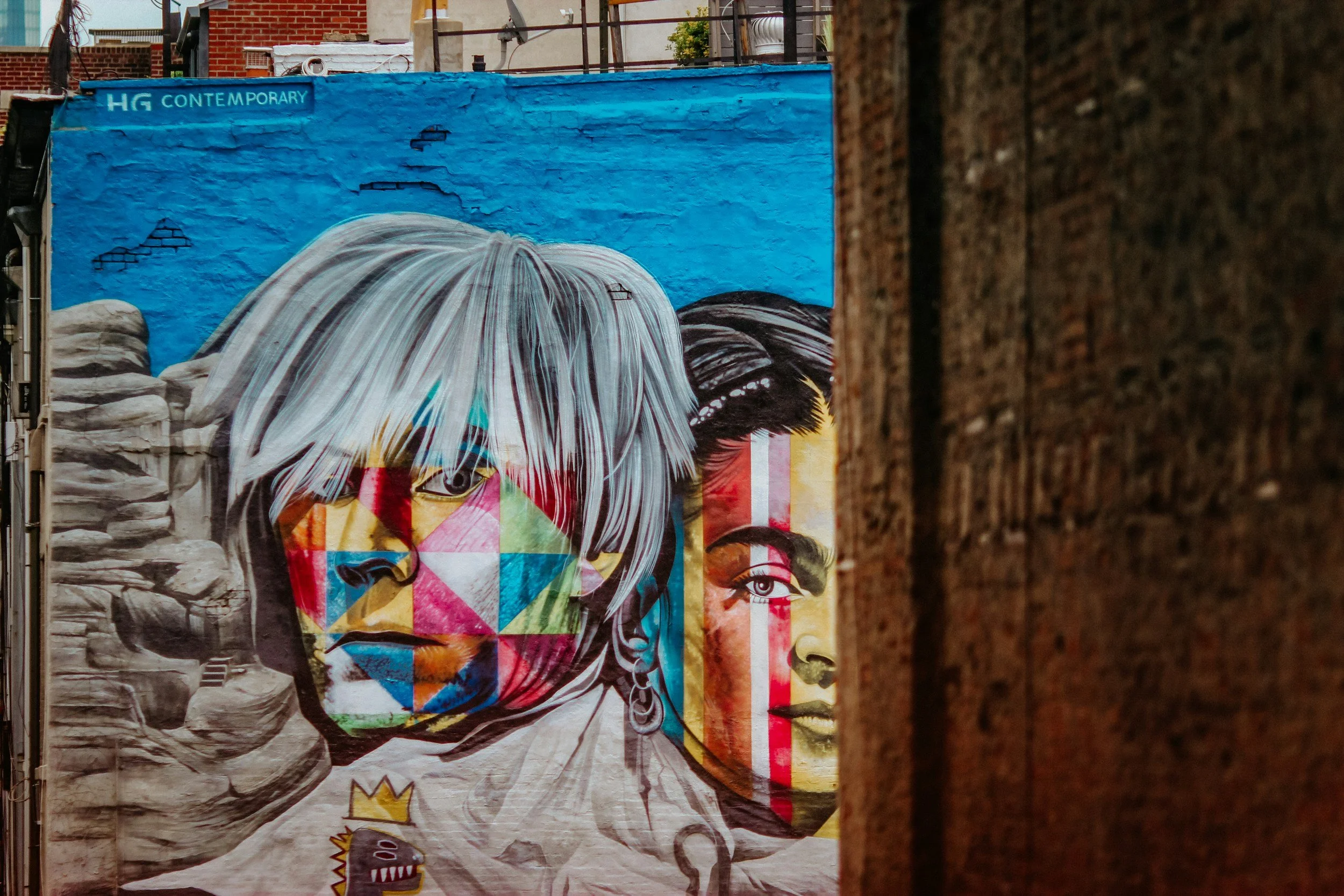
Los Angeles continues to assert itself as one of the world’s most vibrant contemporary art capitals, and the latest exhibition guide from Wallpaper highlights just how expansive and diverse the city’s creative landscape has become in 2026. From major international art fairs to experimental gallery shows and museum installations, the guide paints a picture of a city where art is both globally influential and deeply rooted in local narratives.
At the center of the season is Frieze Los Angeles, which once again anchors the city’s cultural calendar. Hosted at Santa Monica Airport, the fair brings together leading galleries, collectors, and artists from around the world, while also addressing timely social themes such as housing insecurity and immigration. Surrounding Frieze is a constellation of satellite fairs and events, including Felix LA at the Hollywood Roosevelt Hotel and The Other Art Fair in Culver City, each offering alternative entry points into the contemporary art market and spotlighting independent voices.
Beyond the fairs, the guide emphasizes the depth of Los Angeles’ gallery scene. Spaces like Night Gallery showcase emotionally charged works, such as Mira Dancy’s exploration of wildfire aftermath, reflecting the region’s environmental realities. Meanwhile, exhibitions at PACE Gallery highlight evolving artistic styles, with artists like Lauren Quin shifting toward more subdued, introspective palettes. These exhibitions demonstrate how LA artists continue to push formal and conceptual boundaries while responding to the world around them.
Institutions also play a major role in shaping the city’s cultural identity. Major venues like Los Angeles County Museum of Art, Museum of Contemporary Art, and The Broad are presenting exhibitions that grapple with themes of identity, race, and memory, reinforcing Los Angeles as a place where art and social dialogue intersect. Notably, large-scale and immersive experiences—from photography exhibitions to film-inspired installations—further blur the lines between disciplines, expanding how audiences engage with art.
The guide also underscores the importance of experimentation across mediums. From ceramic installations examining domestic life to sound works inspired by migratory birds, artists are increasingly embracing interdisciplinary approaches. This openness to innovation is a defining characteristic of the Los Angeles art scene, where traditional boundaries between fine art, design, and performance continue to dissolve.
What emerges from Wallpaper’s overview is a portrait of a city energized by contrast: global yet local, commercial yet experimental, polished yet raw. Whether through blockbuster fairs, cutting-edge gallery shows, or institutionally driven exhibitions, Los Angeles in 2026 offers an art experience that is as multifaceted as the city itself—inviting audiences to explore not just what art looks like, but what it can mean in a rapidly changing world.